
Water Treatment Solutions: Clarifiers
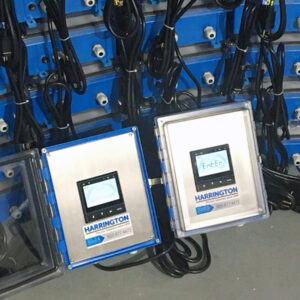
Supporting Clarifier Operations with FRP and Sensors
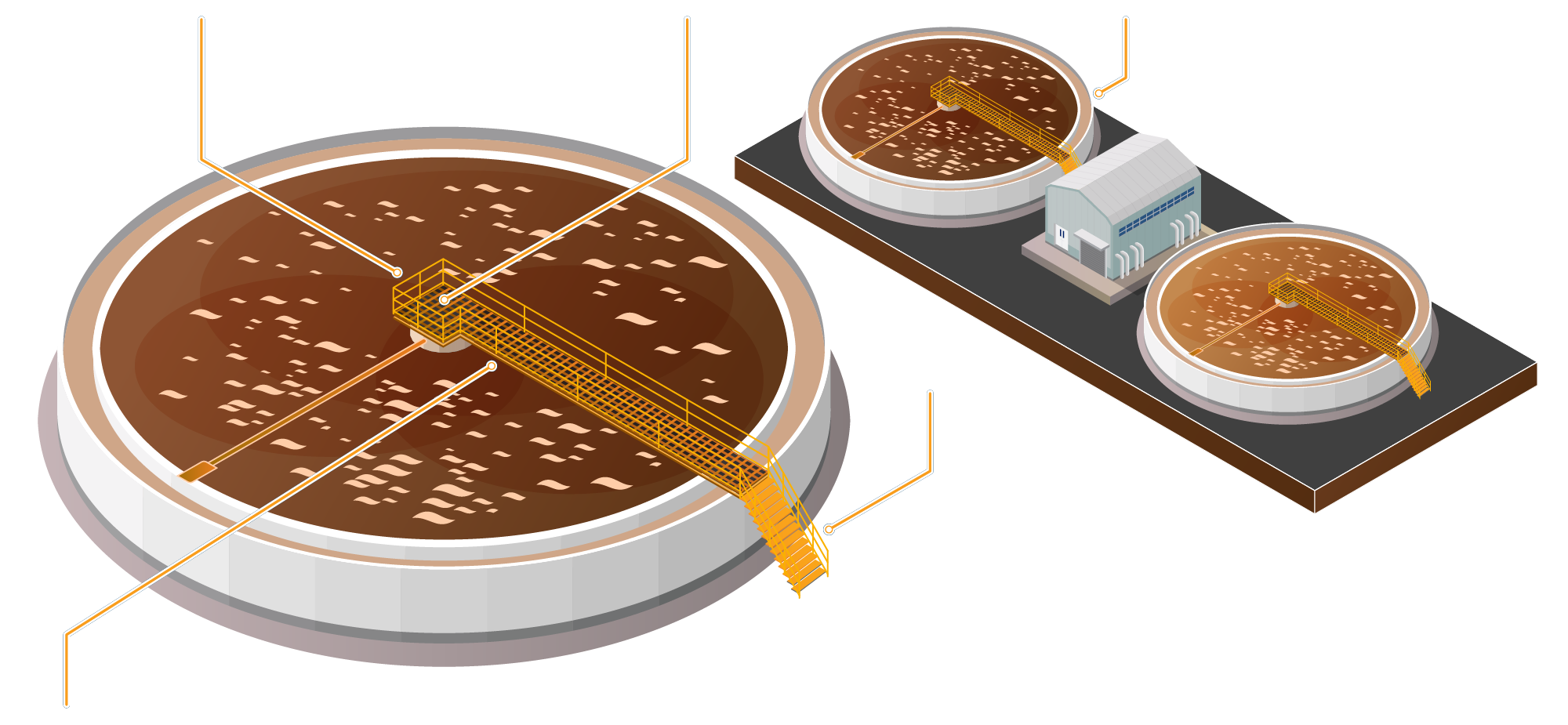
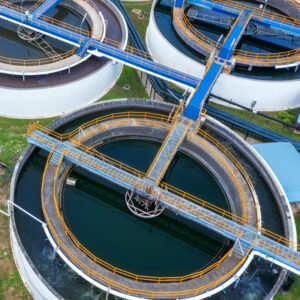
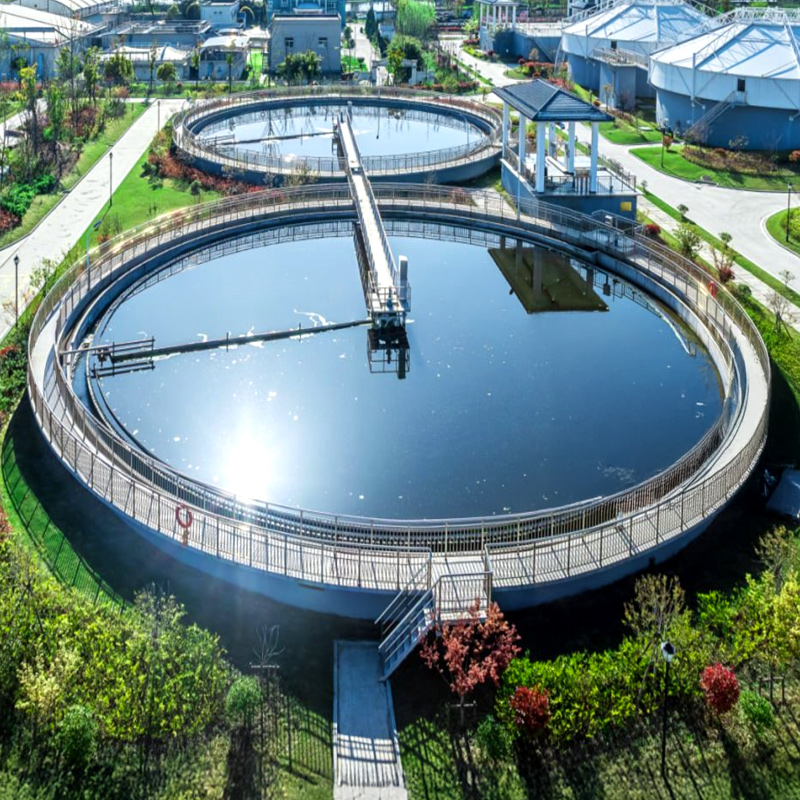
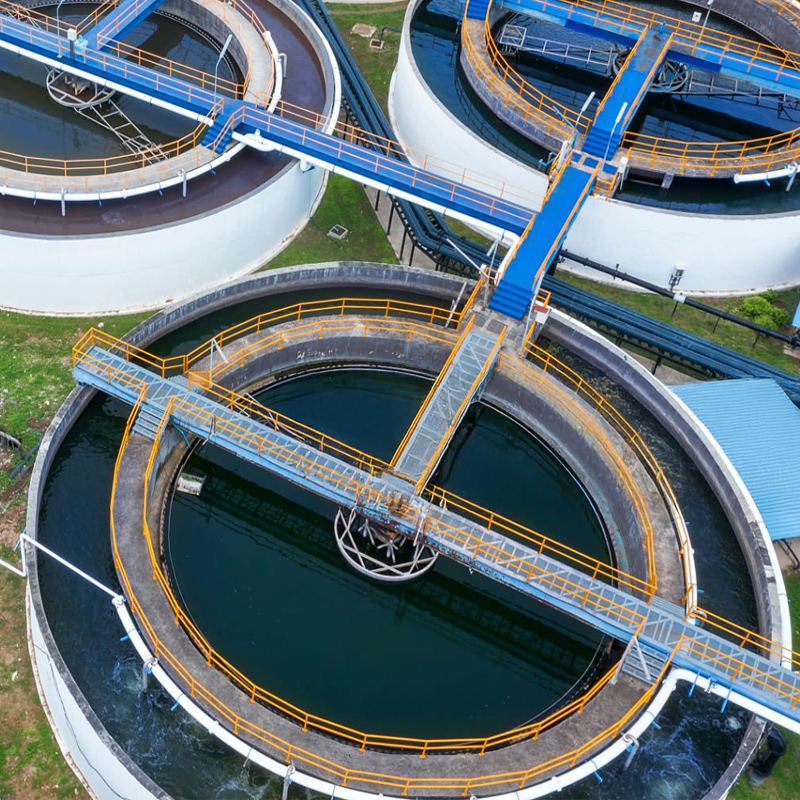
Clarifiers are essential components in water treatment plants used to separate suspended solids from water through gravity settling. After coagulation and flocculation, water flows into the clarifier where heavier particles form floc and settle to the bottom as sludge. FRP materials are often used for walkways, handrails, and internal components because they resist corrosion in wet and chemical rich environments. Pipes direct influent and effluent flow while maintaining controlled hydraulic conditions that support effective solids separation.
During operation, clarifiers rely on precise level control to maintain stable performance. Level sensors monitor water depth and sludge accumulation, sending signals to control systems that regulate flow rates and sludge removal. Mechanical scrapers collect settled solids for discharge through piping systems, while surface skimmers remove floating material. The combined use of durable FRP structures, reliable piping, and accurate level sensing helps clarifiers operate efficiently, protect equipment, and support consistent water quality throughout the treatment process.
FRP Handrails & Guardrails
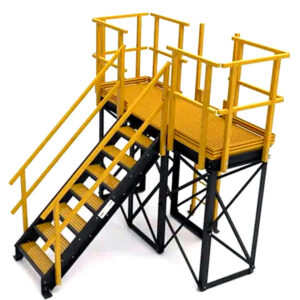
FRP handrails and guardrails are safety railing systems made from fiberglass reinforced polymer that provide corrosion resistance, durability, and low maintenance compared to traditional metal or wood railings. These systems are engineered for industrial and commercial use on platforms, stairways, mezzanines, and walkways where safety and long term performance are essential. FRP materials resist rust, do not conduct electricity, and are lightweight yet strong, making them well suited for environments with moisture, chemicals, or outdoor exposure. Integrated UV inhibitors and fire-retardant resins help extend service life and maintain color and structural integrity in harsh conditions.(Bedford Reinforced Plastics)
In water treatment plants and other facilities, FRP handrails and guardrails help protect workers by defining safe edges and preventing falls around tanks, walkways, and maintenance access areas. Prefabricated modular systems, like those from Bedford’s ReadySeries line, are easy to install and comply with OSHA and IBC safety standards, enabling flexible configurations to meet site specific requirements. Because these FRP products require minimal upkeep and resist corrosion, they reduce long term cost and downtime while enhancing overall safety for operations in demanding industrial environments.(Bedford Reinforced Plastics)
- Fiberglass Stair, Handrails, Grating and Structural Components
FRP Molded Grating
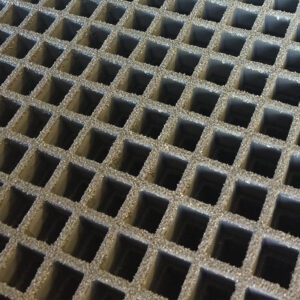
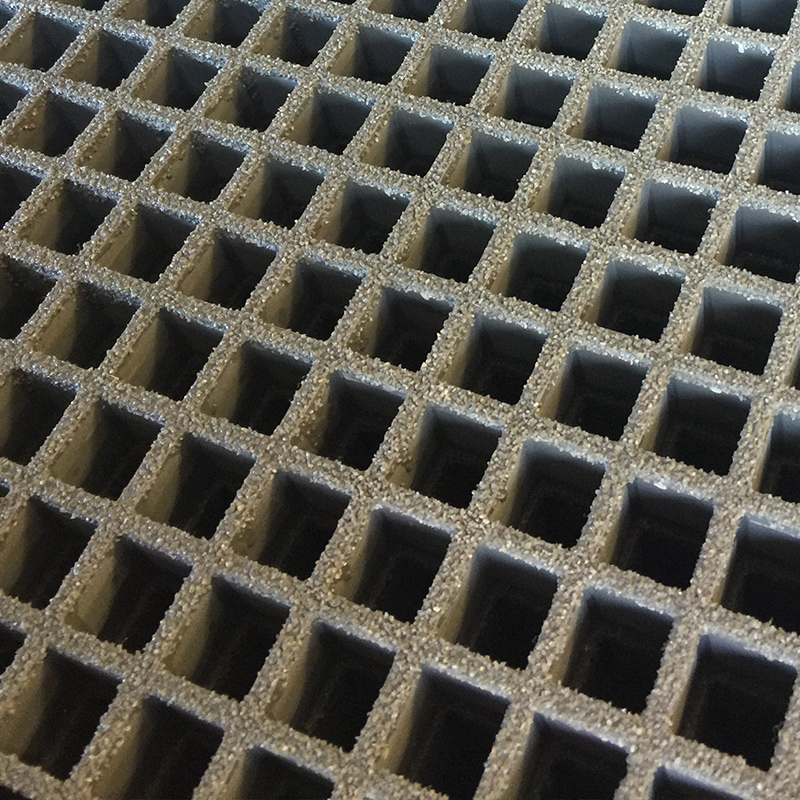
FRP molded grating is a structural panel made from fiberglass reinforced plastic that delivers a strong, corrosion-resistant walking surface for industrial and commercial environments. It combines glass fibers and resin in a cast mold to create a grid pattern that supports pedestrian and light equipment loads while allowing drainage and ventilation. This type of grating resists moisture, chemicals, and rust, stays lightweight for easier handling and installation, and often includes slip-resistant surfaces to enhance safety in wet or oily areas.
In water treatment plants, industrial facilities, and process plants, FRP molded grating is used for walkways, platforms, trench covers, stair treads, and maintenance access areas where corrosion and exposure to harsh conditions are common. Its low maintenance and long life make it a cost-effective alternative to steel or aluminum in corrosive environments. The material also performs well outdoors, resisting UV and maintaining structural integrity over years of service.
- Fiberglass Grating and Components
FRP Structural Shapes
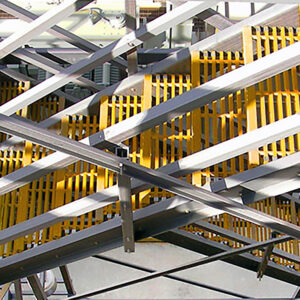
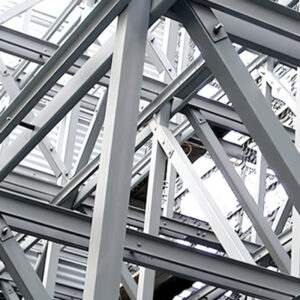
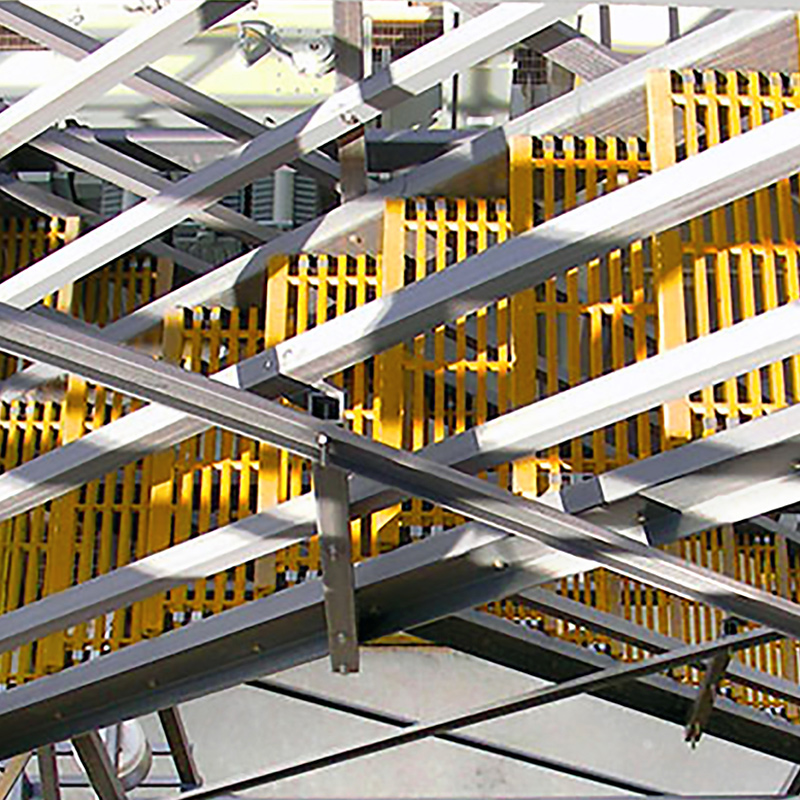
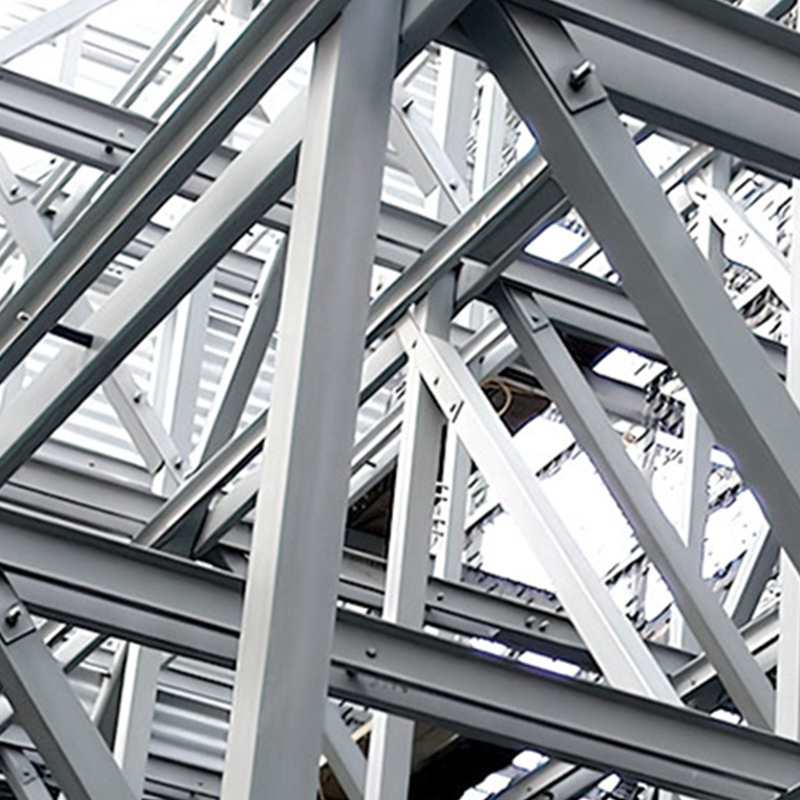
FRP structural shapes are fiberglass reinforced polymer profiles engineered to replace traditional materials such as steel, aluminum, and wood in structural applications. Available in a variety of configurations including angles, channels, rods, tubes, and beams, these shapes are commonly used for structural framing, supports, platforms, walkways, ladders, and custom assemblies.
These profiles combine strength and lightweight construction with superior corrosion resistance, weather durability, fire retardancy, and dimensional stability, making them well suited for demanding industrial environments where metal may corrode or wood may deteriorate. Manufactured through a pultrusion process, FRP shapes offer consistent quality and can be easily cut, drilled, and assembled using standard tools. They are widely used in water and wastewater treatment plants, chemical processing, utilities, and other industrial settings due to their long-lasting performance and low maintenance requirements.
- Fiberglass Structural Components
FRP Stair Systems (Stair Treads & Stair Tread Covers)
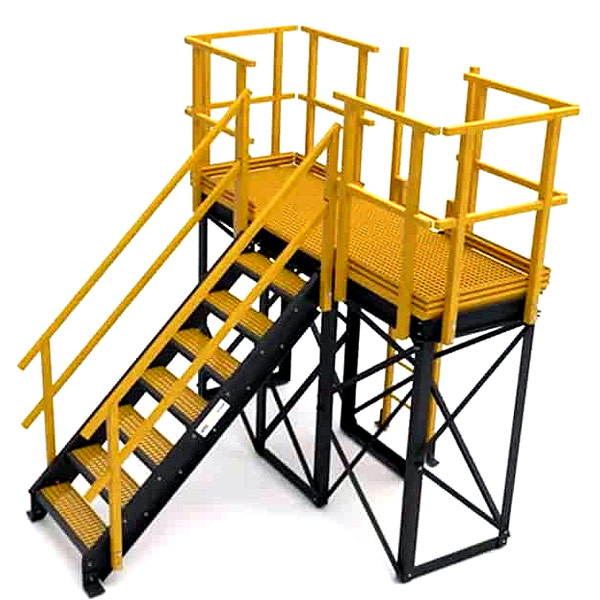
FRP stairs and stair tread systems are fiberglass-reinforced polymer solutions designed to provide safe, durable access in industrial and commercial environments where corrosion and moisture are common. These stair products combine strong fiberglass and resin materials to resist rust, chemical attack, and weathering, helping them maintain structural integrity in harsh conditions such as water treatment facilities and outdoor process areas. Their anti-slip surfaces and compliance with safety standards help reduce fall hazards for workers moving between levels. Lightweight construction also makes them easier to handle and install compared to steel or concrete stairs, lowering labor and installation demands.
In many applications, FRP stair components include molded grating stair treads or covers that fit over existing steps or form part of complete stair assemblies and towers. These treads offer excellent slip resistance even when wet, and their corrosion resistance ensures long service life with minimal maintenance. Modular FRP stair systems often meet OSHA safety requirements and can integrate with guardrails and platforms to create comprehensive access solutions. This makes them especially suitable for water treatment plants, chemical facilities, and other sites where moisture and corrosive elements would degrade traditional materials.
- Fiberglass Stairs, Handrail, Platforms and Structural Components
Field-Erected Tanks
Field-erected tanks are custom-built vessels assembled directly at the project site using components delivered from a fabrication facility. Their large size and capacity make shop assembly impractical, allowing these tanks to be constructed to meet specific site and process requirements. In water treatment plants, field-erected tanks are used for raw water storage, finished water storage, equalization, and process treatment, where volumes can range from thousands to millions of gallons.
Welded steel field-erected tanks are designed for long-term durability and reliable performance in demanding environments. They are constructed to withstand temperature changes, severe weather, and exposure to treatment chemicals. Depending on the application, tanks may be fabricated from carbon steel, stainless steel, or duplex materials to match corrosion and strength requirements. Their flexibility and scale make field-erected tanks a preferred solution for municipal and industrial water treatment operations that require dependable, high-capacity storage and processing.
- Tanks and Containment
Automated Level Measurement for Treatment Systems
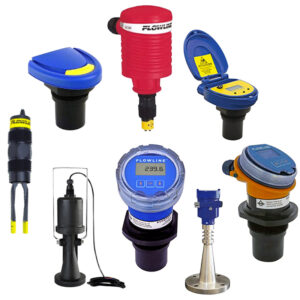
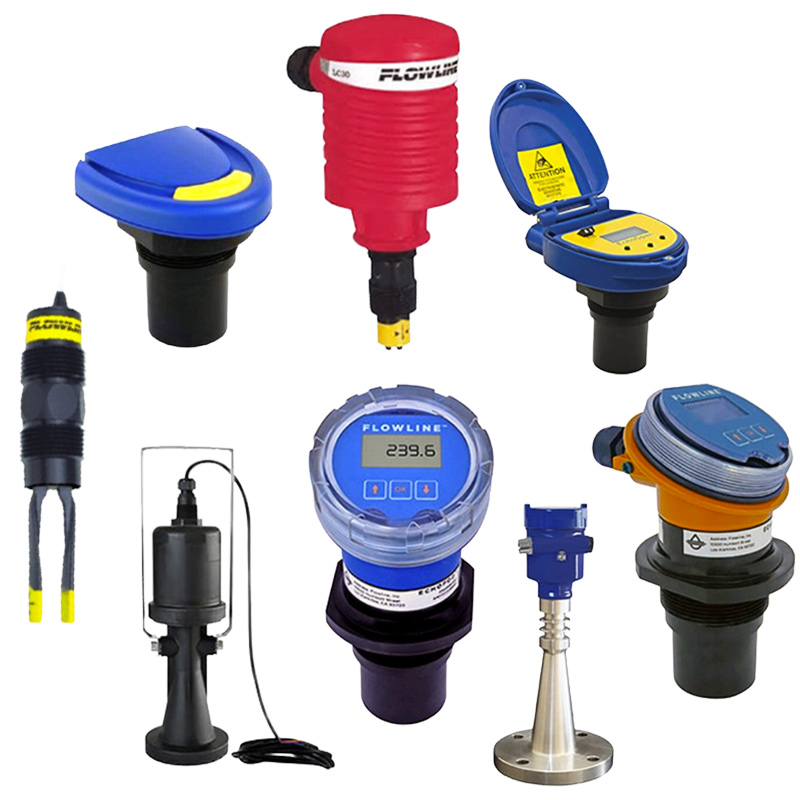
Level sensors play a critical role in water treatment plants by monitoring liquid levels in tanks, basins, sumps, and chemical storage vessels. They provide continuous or point level measurements that feed into control systems to display real time conditions and trigger automated responses. By signaling when levels are too high or too low, level sensors help prevent overflows, protect pumps from running dry, and maintain accurate chemical dosing to support consistent treatment performance.
Throughout a facility, level sensors help regulate flow between treatment stages such as equalization, clarification, filtration, and storage. They support proper operation of lift stations, control inflow and discharge rates, and maintain stable conditions in sedimentation and aeration basins. Using technologies such as ultrasonic, radar, capacitance, or float based sensing, these devices improve automation, enhance safety, and help facilities meet operational and regulatory requirements with greater reliability.
- Level & Flow Transmitters and Monitors
- Radar Liquid Level Transmitters
- Ultrasonic Level Transmitter
- Hydrostatic Level Transmitters
Piping Systems (PVC, CPVC, PVDF, FRP and Lined Steel)
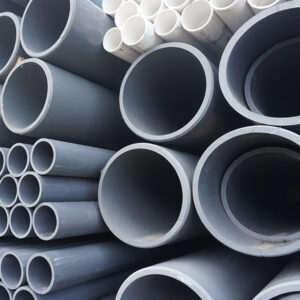
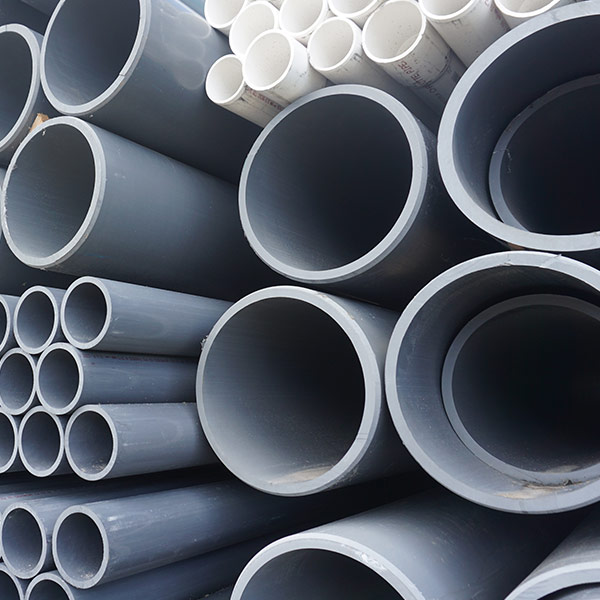
PVC, CPVC, PVDF, FRP, and lined steel piping systems are essential in water treatment facilities because they provide reliable flow control, corrosion resistance, and long service life across a wide range of operating conditions. PVC is commonly used for raw water intake, distribution to filtration units, and low-pressure applications due to its broad chemical resistance, ease of installation, and cost effectiveness. CPVC offers increased temperature and pressure capability, making it well suited for hot water service, chemical feed lines, and applications requiring enhanced mechanical strength.
PVDF piping is selected for high-purity and highly aggressive chemical services where superior chemical resistance, temperature tolerance, and long-term performance are critical. FRP piping is used in the most corrosive environments, including chemical treatment areas, disinfectant storage, and high-exposure washdown zones, where its strength and non-corrosive construction help extend system life. Lined steel piping provides the structural strength of steel combined with corrosion protection, making it ideal for larger-diameter lines, higher-pressure systems, and applications requiring robust mechanical durability.
Together, these piping systems support sedimentation, filtration, disinfection, and final distribution by maintaining safe, consistent flow throughout the facility. Proper material selection across these piping technologies reduces maintenance requirements, improves system reliability, and supports long-term water quality and operational performance.
- Chemical-Grade PVDF Piping and Fittings
- CPVC Piping, Valves, and Fittings
- FRP (Fiberglass Reinforced Plastic) Piping
- Lined Steel Piping
- Cements & Primers
- Double Containment Piping
Controllers
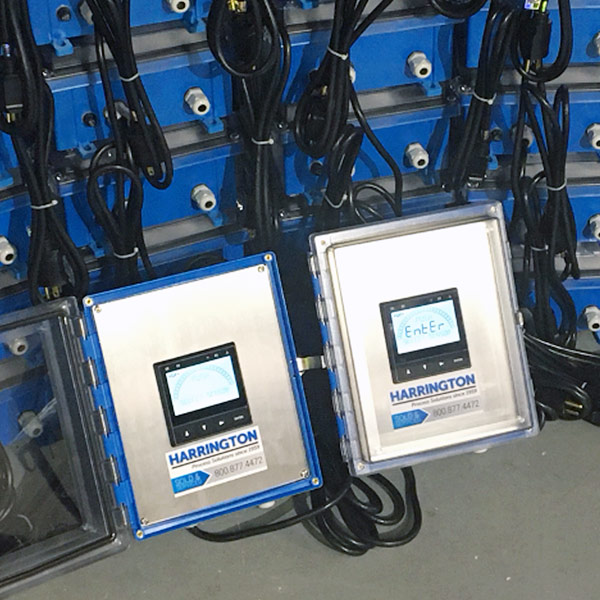
Controllers are essential in water treatment facilities for automating and regulating the various processes that ensure water quality and system efficiency. These devices monitor inputs from sensors measuring parameters such as pressure, flow rate, chemical concentration, and water level, then adjust equipment operations accordingly. For example, controllers can regulate pump speeds, open or close valves, and manage chemical dosing systems to maintain optimal treatment conditions. By automating these adjustments, controllers reduce the need for manual intervention and help maintain consistent water quality standards.
Modern controllers often integrate with SCADA (Supervisory Control and Data Acquisition) systems, enabling centralized monitoring and remote control of the entire facility. This connectivity allows operators to receive real-time alerts, analyze performance data, and make informed decisions quickly. Advanced controllers can also implement programmed logic for energy efficiency, emergency shutdowns, and compliance with regulatory requirements. In short, controllers serve as the “brains” of water treatment operations, ensuring precision, reliability, and safety across all stages of the process.
- Controllers, Monitors and Gauges
Need answers from a trusted source?
Call our toll-free number at 1-800-213-4528 and you will be connected to a live person – not a recording.
You may also use the contact form below for any questions regarding our products and services.