Chemical Industry Solutions
Chemical Flow Control Solutions
Corrosion-Resistant Solutions for Chemical Processing
Harrington Process Solutions supports chemical producers with material-matched plastic and metal flow control systems engineered for safety, compliance, and long-term reliability. Our solutions are designed to perform in high-purity, corrosion-resistant, harsh & hazardous, and sanitary applications, helping customers improve safety, reliability, speed, and operational confidence.
Across critical chemical processes, Harrington provides the technical expertise, product depth, and application support needed to maintain system integrity, reduce risk, and ensure consistent performance. Our team works closely with customers to deliver integrated process flow control solutions that align with application requirements, regulatory standards, and performance expectations helping you operate with confidence and consistency.
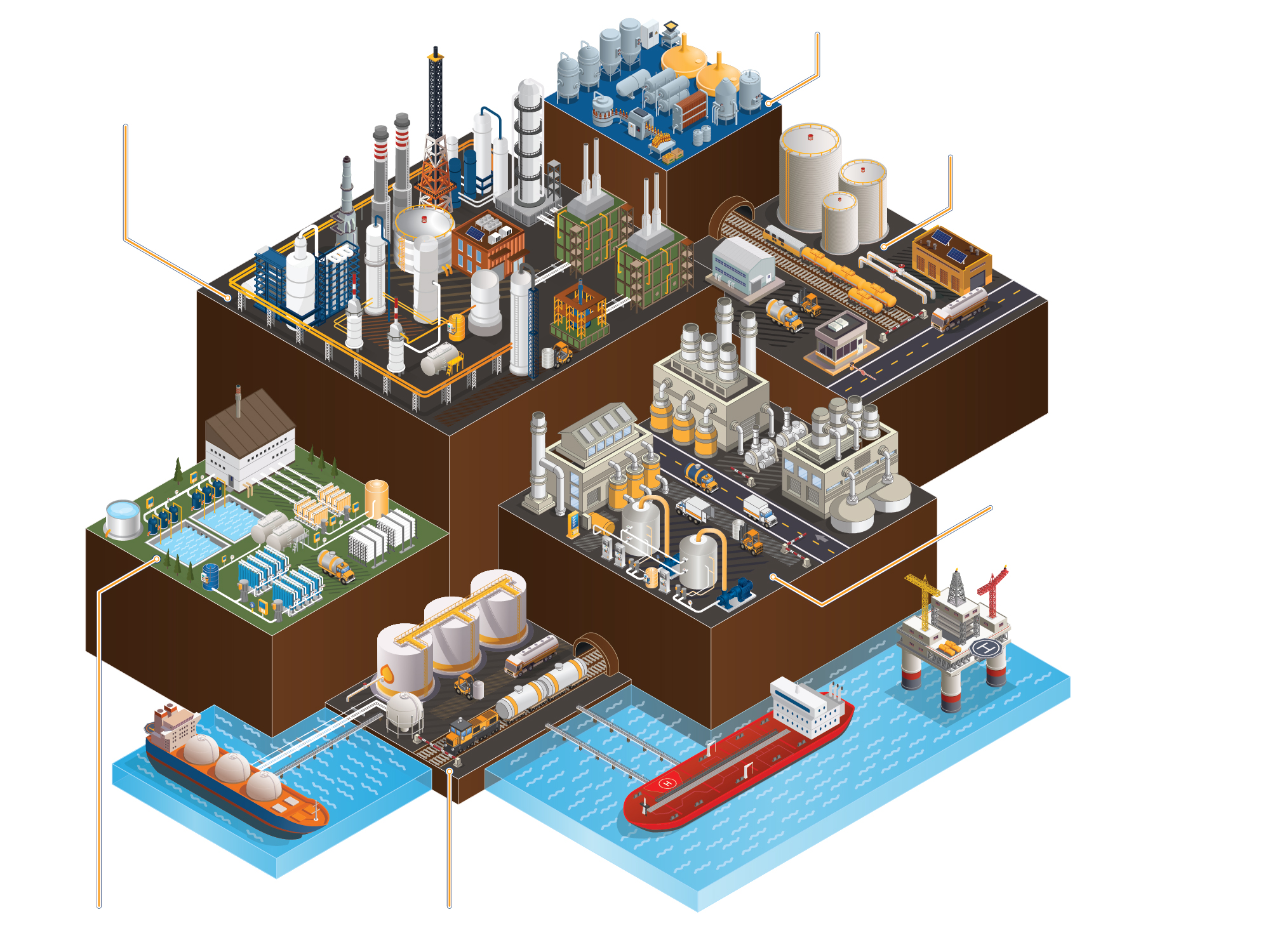
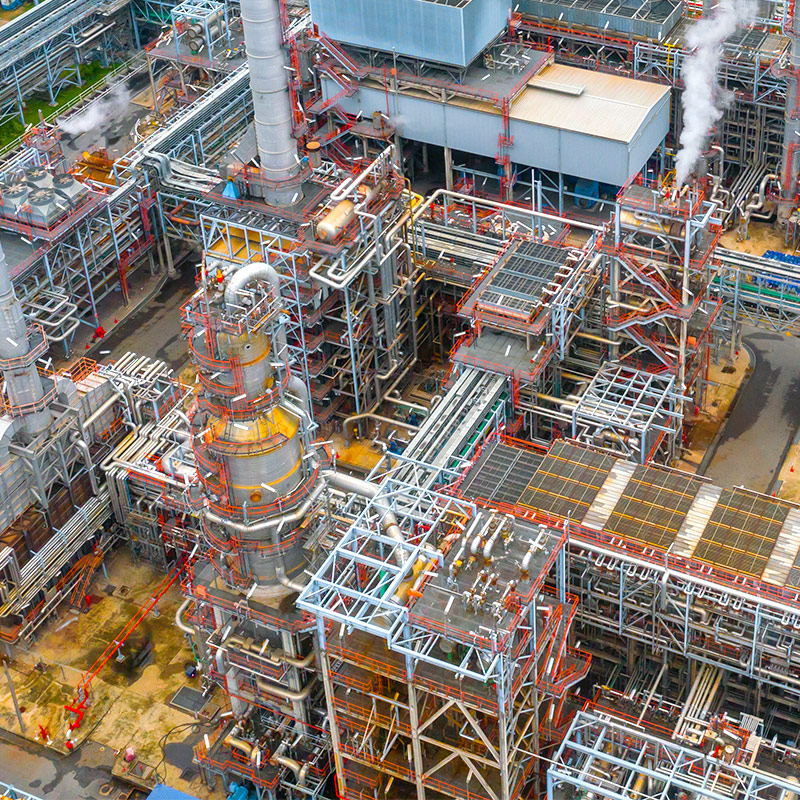
Chemical / Petrochemical / Refinery

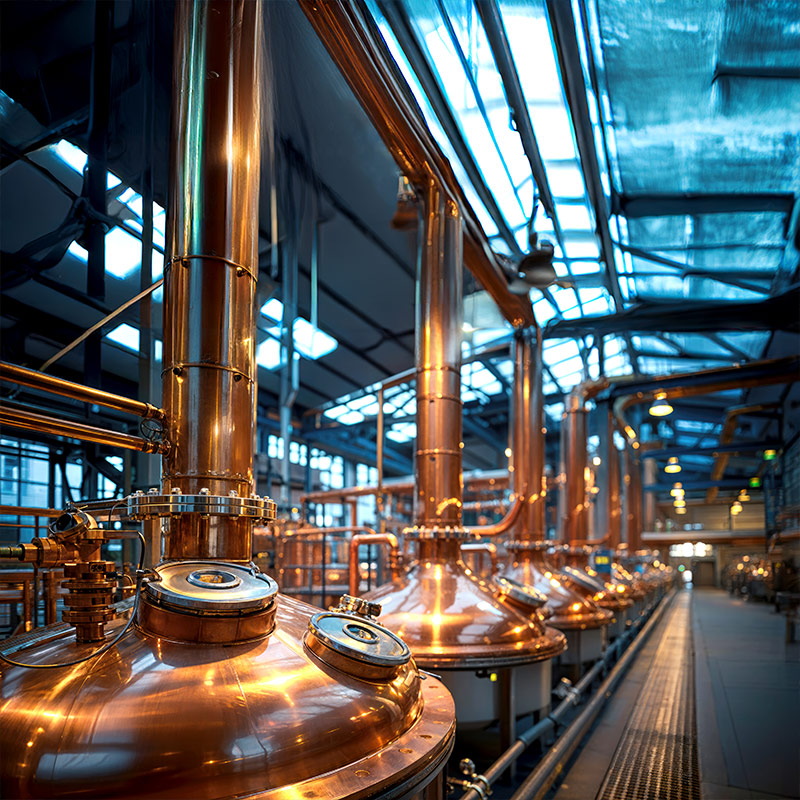
Beverage / Distillery

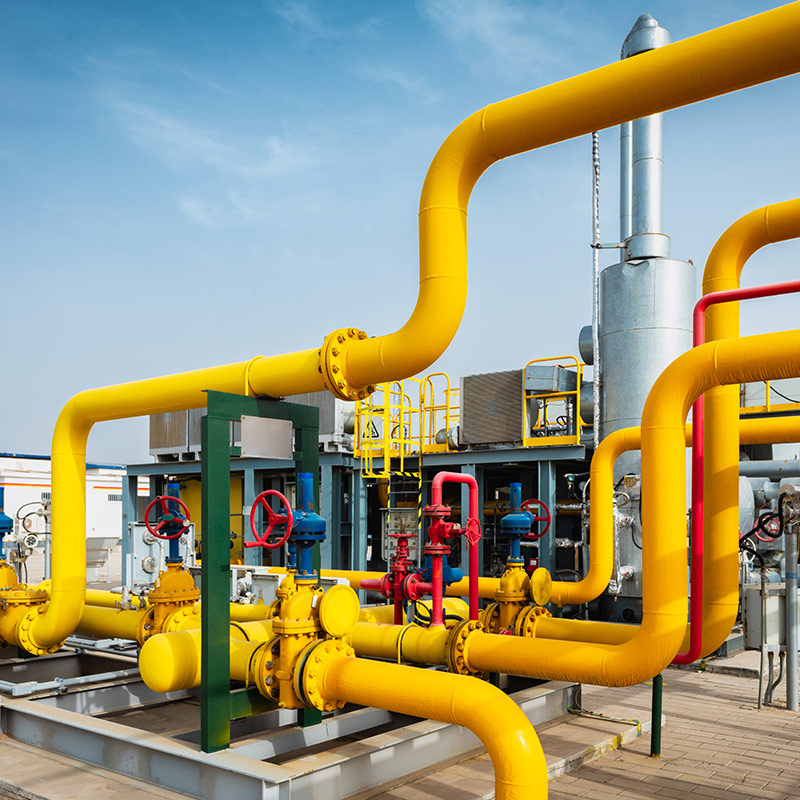
Chemical Processing

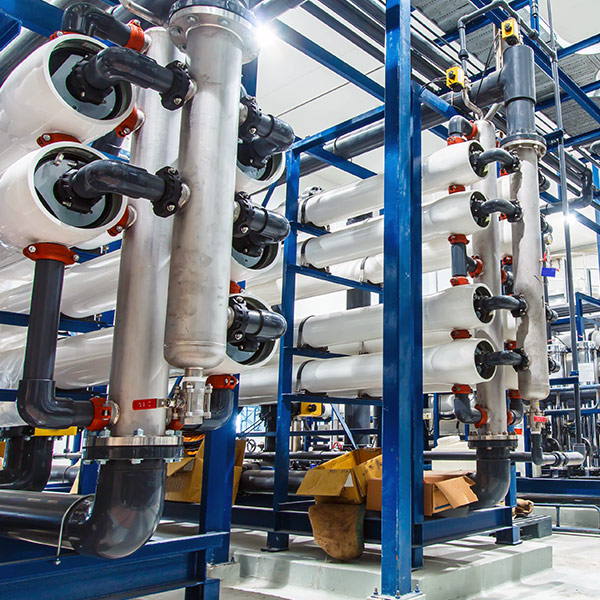
Commercial / Industrial Reverse Osmosis

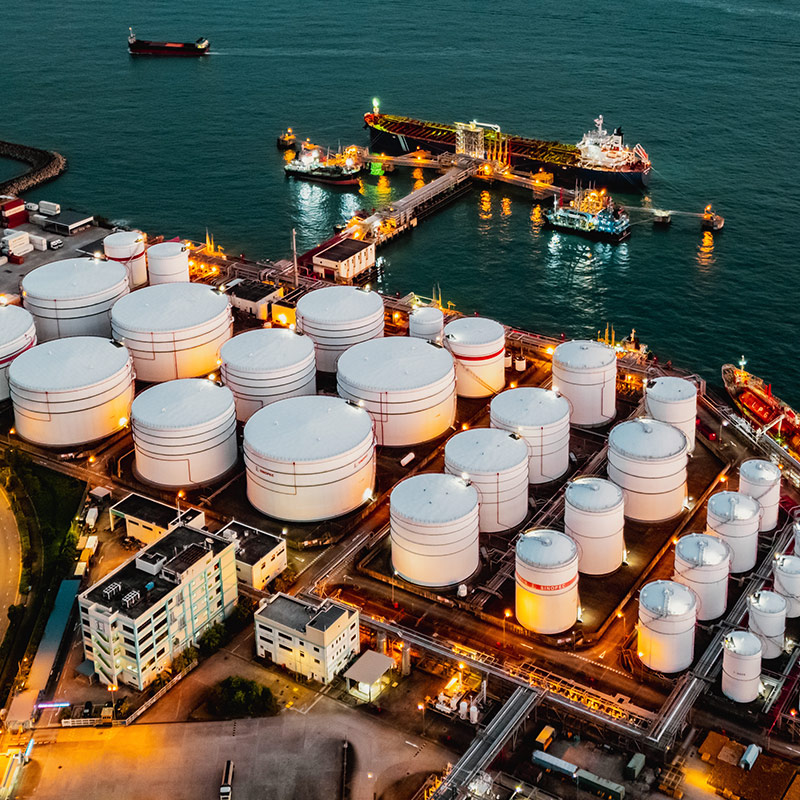
Chemical Storage / Logistics

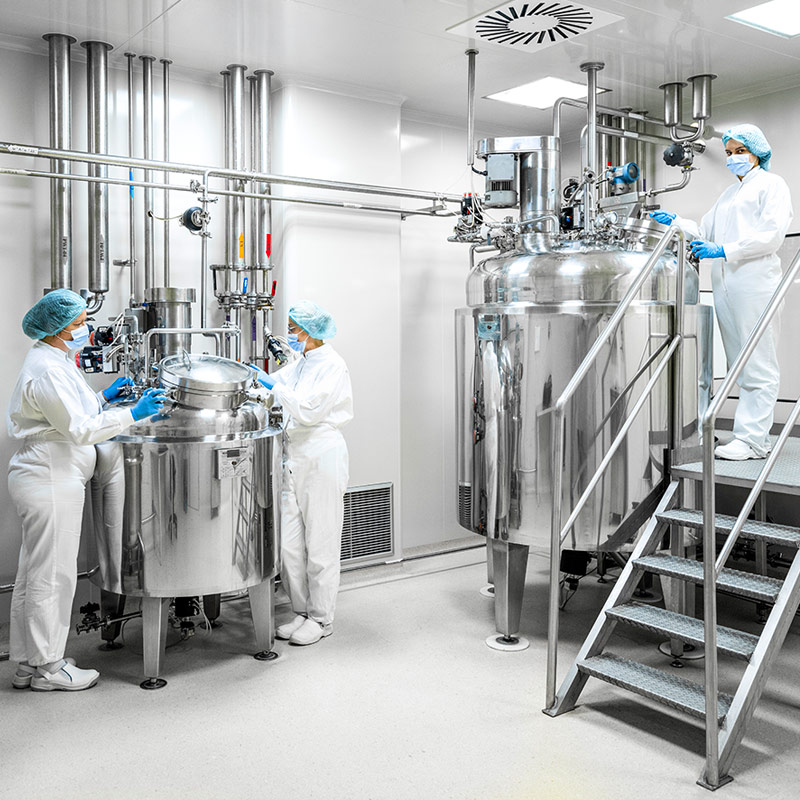
Pharmaceutical Lab / Biotech Facility

Chemical Safety. Efficient Transfer.
Specialized Tanks, Pumps, & Dosing Systems
Harrington exemplifies its steadfast dedication to the chemical industry through a comprehensive array of solutions, purposefully designed to meet diverse and stringent needs. One of our cornerstone offerings is the Chemical Storage Tanks, thoughtfully engineered to ensure the safe and efficient storage of a wide range of chemicals. These tanks come in various materials, sizes, and configurations, providing reliable and secure solutions for a wide spectrum of chemical storage requirements.
Furthermore, Harrington proudly offers a variety of Chemical Transfer Pumps, skillfully designed to handle diverse chemicals with precision and safety. These pumps are indispensable components for chemical handling applications, ensuring precise and reliable transfer operations. To achieve precise and controlled chemical dosing in industrial processes, Harrington provides Chemical Dosing and Injection Systems. These systems empower operators to achieve accurate measurement and introduction of chemicals, elevating the efficiency and effectiveness of chemical processes to new heights.
Harrington’s dedication to process quality continues with their Chemical Filtration and Straining solutions, which include basket strainers and tee-style filters. These pivotal solutions remove impurities and ensure the purity of chemical products, safeguarding the integrity of chemical processes. We offer chemical-resistant valves, meticulously crafted from durable materials like PVC, CPVC, and PVDF. These valves provide reliable and leak-free control of chemical flow within systems, reinforcing safety and efficiency.
The Cost of Corrosion in Chemical Processing
Material selection in corrosive service carries consequences that extend well beyond the piping budget. A line specified without accounting for concentration, temperature, or oxidizing potential will thin, embrittle, or fail at the joint, and the resulting loss of containment introduces personnel exposure, environmental reporting obligations, and unplanned outage in a plant where restart is neither fast nor inexpensive. The failure is frequently not the pipe itself but a valve seat or gasket incompatible with the process fluid, a mismatch that passes inspection and appears months later. Correct specification of corrosion resistant pipe for a chemical plant at the design stage remains substantially less costly than remediation after commissioning.
Corrosion-Resistant Material Families from a Single Source
Corrosive service is not served by one material family. Thermoplastics address the majority of aggressive chemistries. Plastic-lined steel provides chemical resistance where mechanical strength, large diameter, or elevated pressure exceeds what unreinforced thermoplastic can deliver. FRP covers structural and large-diameter applications. Harrington supplies all three, along with the valves, instrumentation, tanks, pumps, and filtration that complete the system. As an industrial chemical pipe supplier with national inventory and application engineers who specify these systems routinely, we consolidate what would otherwise require multiple vendor relationships into a single technical partnership, reducing both coordination burden and the risk of interface errors between scopes.
Material Selection for Corrosive Process Service
Selection is driven by the interaction of chemistry, concentration, temperature, pressure, diameter, and mechanical loading.
- PVC and CPVC handle general corrosive service, with CPVC extending the temperature range where PVC reaches its service limit.
- PVDF pipe for chemical processing delivers broad resistance to aggressive acids, oxidizers, and solvents, and is fusion-joined for systems where joint integrity is critical.
- Halar (ECTFE) is specified for the most demanding service, including wet chlorine, concentrated bleach, and strong oxidizers beyond PVDF’s range.
- Plastic-lined steel combines a thermoplastic liner with a carbon steel shell for large-diameter acid transfer headers, caustic mains, and corrosive slurry lines requiring mechanical protection.
- FRP serves large-diameter, buried, and structurally loaded applications where thermoplastic and lined steel are not cost-effective.
- Valves, seats, and gaskets must be matched to the same chemistry as the pipe. Body material alone is insufficient, and seat or elastomer mismatch is among the most common causes of premature system failure.
- Double containment and acid waste drain systems address secondary containment requirements and gravity chemical drainage under ASTM D3311.
Harrington’s Chemical Resistance Guide supports verification against specific fluids and concentrations.
Why Partner with Harrington?
Harrington provides mission-critical flow control solutions for chemical and petrochemical operations where safety, uptime, and reliability are essential. Through a comprehensive portfolio of corrosion-resistant piping, valves, automation technologies, containment systems, and technical support, we help customers optimize performance, reduce risk, and keep complex process systems running efficiently.
Project Support Process
- Requirements Review. Provide the process fluid, concentration, temperature, pressure, line size, and any containment or mechanical loading requirements.
- Engineering Evaluation. Our specialists verify material, valve, seat, and gasket compatibility and identify where thermoplastic, lined steel, or FRP is the appropriate solution.
- Coordinated Supply And Support. We deliver from national inventory with custom fabrication, valve actuation, and field support aligned to your project schedule.
Chemical Processing Piping FAQs
When should thermoplastic, plastic-lined steel, or FRP be specified?
Thermoplastic handles most corrosive service within its temperature and pressure limits. Plastic-lined steel is specified where large diameter, elevated pressure, or mechanical loading exceeds what thermoplastic can carry while chemical resistance is still required. FRP serves large-diameter, buried, and structurally loaded applications. The determining variables are chemistry, temperature, pressure, diameter, and mechanical load.
What is the difference between PVDF and Halar (ECTFE)?
Both are fluoropolymers with broad chemical resistance. PVDF covers most aggressive acid and solvent service at lower cost and with wider availability. Halar is specified for the most demanding oxidizing envi
Why do chemical piping systems fail at the valve rather than the pipe?
Valve body material is frequently matched to the process fluid while the seat, seal, or gasket is not. An incompatible elastomer degrades in service and produces a leak in a system that is otherwise correctly specified. Seat and gasket compatibility should be verified against the same chemistry and concentration as the pipe.
What standard governs acid waste drain piping?
ASTM D3311 covers drain, waste, and vent pattern thermoplastic fittings and is the standard commonly referenced for chemical drainage systems. Material selection is driven by chemistry rather than pressure, with PVC, CPVC, PVDF, and polypropylene each appropriate to different waste streams.
Connect with us today and put our expertise to work for your operation.
Call our toll-free number at 1-800-213-4528 and you will be connected to a live person – not a recording.
You may also use the contact form below for any questions regarding our products and services.