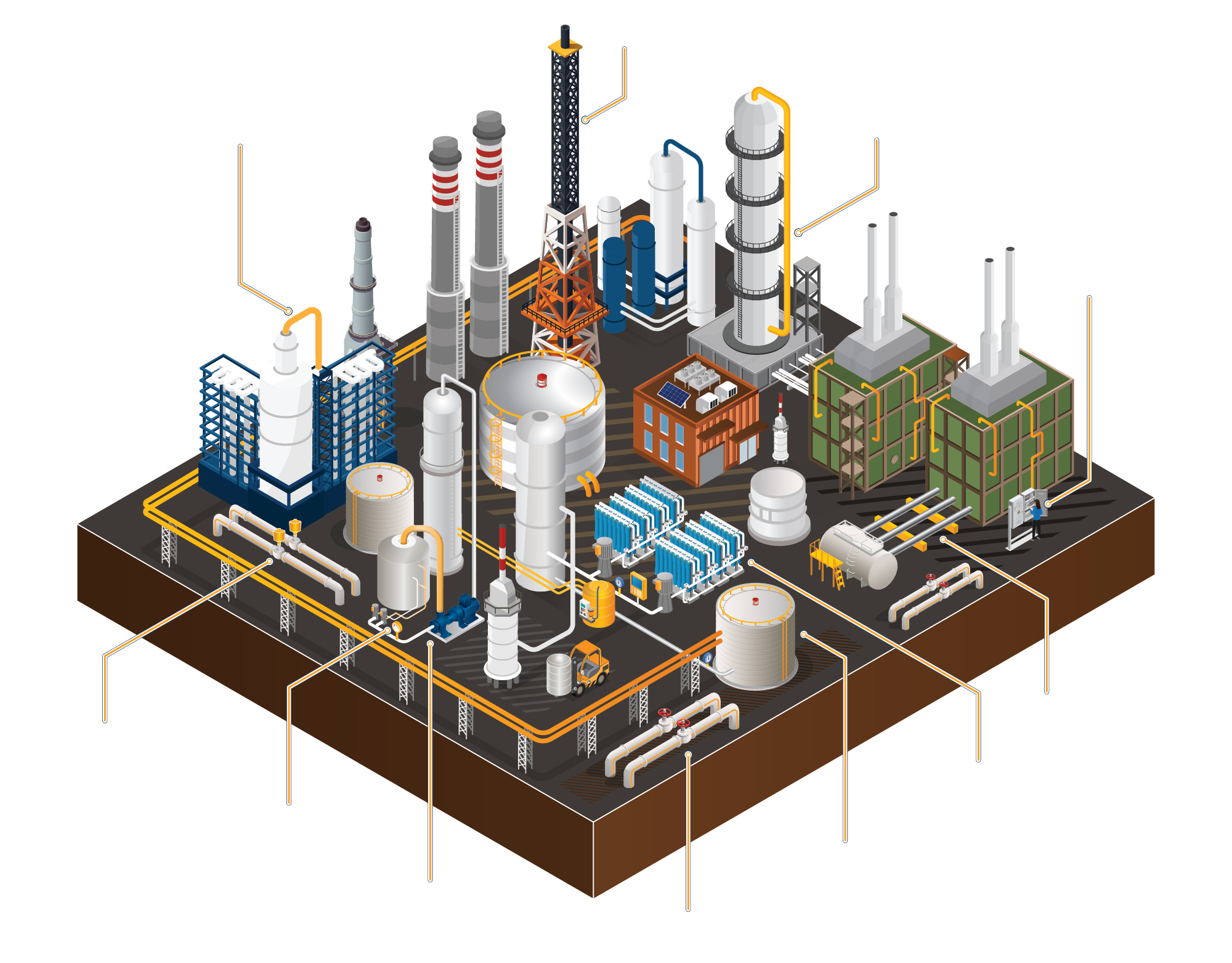
Chemical Solutions: Petrochemical / Gas Refinery
Valve Actuation
Controllers
Filters
Filter Housings
Gauges
Lined Steel Pipe
Pipe
Pumps
PumpMan
RO Membranes
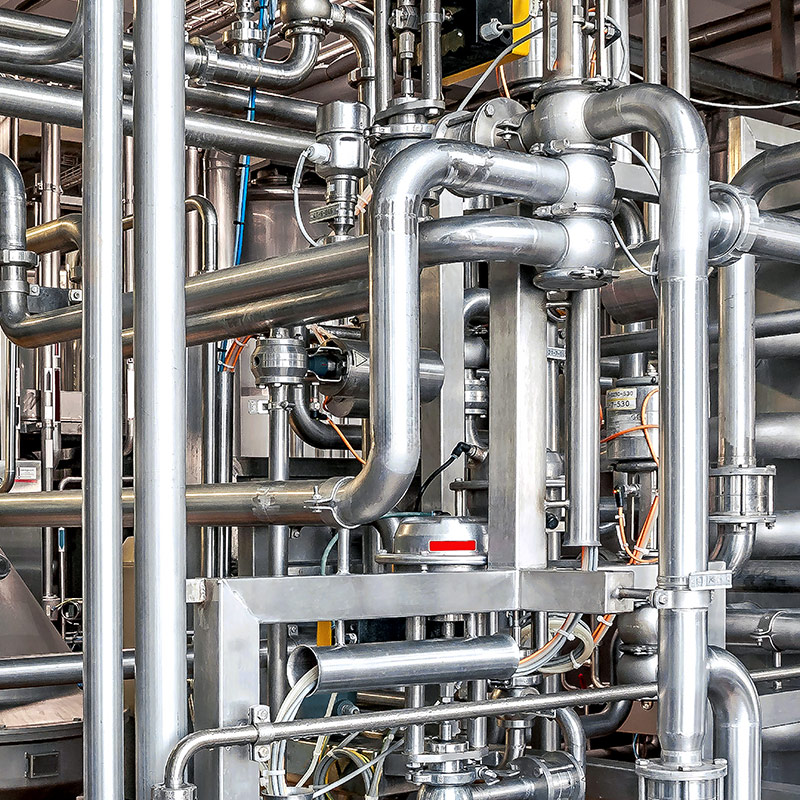
Stainless Steel Pipe
Structural FRP
Tanks
Valves
Flow Control Solutions for Chemical Processing
Harrington Process Solutions supports petrochemical plants and refineries with material-matched plastic and metal flow control solutions designed for demanding process environments. From corrosion-resistant piping systems, valves, fittings, containment products, and specialty metals to pumps, filtration equipment, and process instrumentation, Harrington helps facilities safely manage aggressive chemicals, hydrocarbons, acids, caustics, wastewater streams, and critical utility systems.
Our solutions are designed to improve reliability, reduce maintenance, support regulatory compliance, and help maintain system integrity across critical refinery and petrochemical operations. Harrington provides the technical expertise, product depth, and application support needed to match materials and components to the specific requirements of each process.
Beyond product supply, Harrington delivers automation support, custom valve actuation, inventory management programs, and value-added services that enhance operational efficiency. Through strong supplier partnerships and extensive plastic and metal inventory, Harrington helps facilities minimize downtime, accelerate project schedules, and maintain critical process systems. Whether supporting chemical distribution, water treatment, emissions control, maintenance turnarounds, or facility upgrades, Harrington provides solutions that improve safety, performance, and uptime.
Controllers
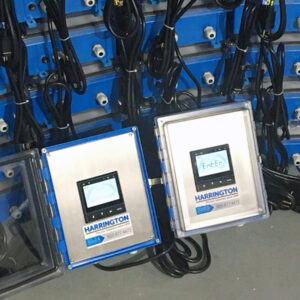
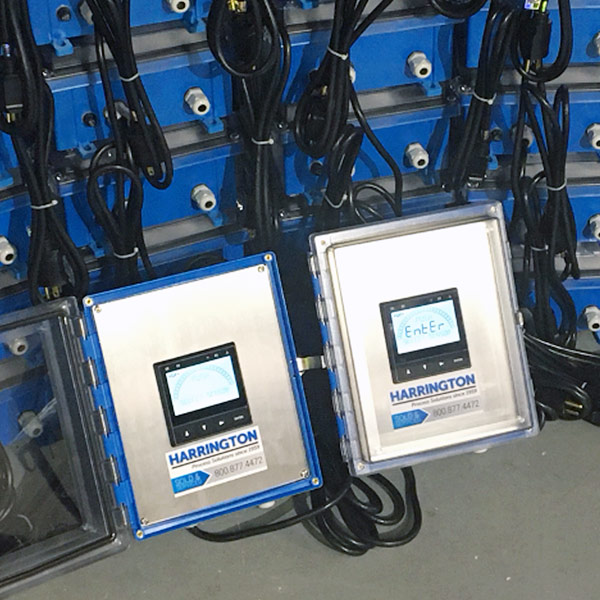
Controllers are critical in chemical processing facilities for automating and regulating the complex operations required to maintain product quality, process efficiency, and safe plant performance. These devices continuously monitor inputs from sensors measuring parameters such as pressure, flow, temperature, level, pH, and chemical concentration, then adjust equipment and process conditions accordingly. For example, controllers can regulate pump speeds, modulate control valves, manage chemical feed systems, and maintain precise reaction conditions. By automating these functions, controllers reduce manual intervention, improve process consistency, and help optimize production throughput.
Modern controllers are often integrated with SCADA (Supervisory Control and Data Acquisition) and distributed control systems (DCS), enabling centralized monitoring and control across the facility. This connectivity provides operators with real-time process visibility, alarm management, performance analytics, and remote access to critical operating data. Advanced controllers can also execute programmed logic for process optimization, energy management, emergency shutdown systems, and regulatory compliance. In chemical processing environments, controllers serve as the intelligence behind plant operations, helping ensure precision, reliability, safety, and continuous production across every stage of the process.
- Complete control panels
- Monitoring and data logging
- Flow, pressure and temperature
- Process automation
Tanks
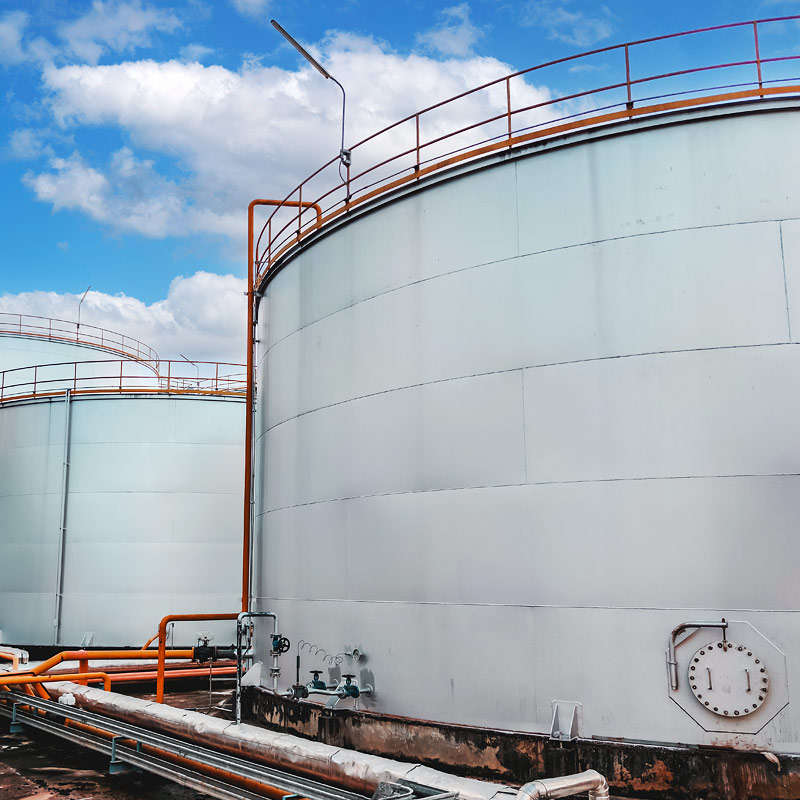
Tanks are fundamental components in chemical processing facilities, serving as storage, mixing, reaction, and containment vessels throughout manufacturing operations. They provide controlled environments for storing raw materials, intermediates, finished products, and process chemicals while supporting critical processes such as blending, separation, and chemical reactions. Designed to withstand demanding conditions, these tanks help safely manage corrosive, reactive, and temperature-sensitive materials while protecting equipment and maintaining consistent production.
Beyond storage, specialized tanks support chemical dosing, batch processing, neutralization, and process conditioning. Mixing and reaction tanks enable precise control of chemical concentrations, temperatures, and residence times to achieve desired product characteristics and process efficiency. Containment and storage systems help manage hazardous or aggressive chemicals while supporting environmental and safety requirements. By maintaining proper material compatibility, process control, and containment standards, tanks help chemical facilities improve reliability, enhance safety, and maintain efficient operations throughout the production cycle.
- Tanks and containment
- Double containment tanks
- Basins
Structural FRP (Fiberglass-Reinforced Plastic)
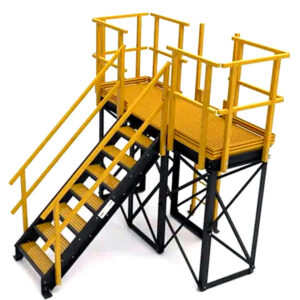
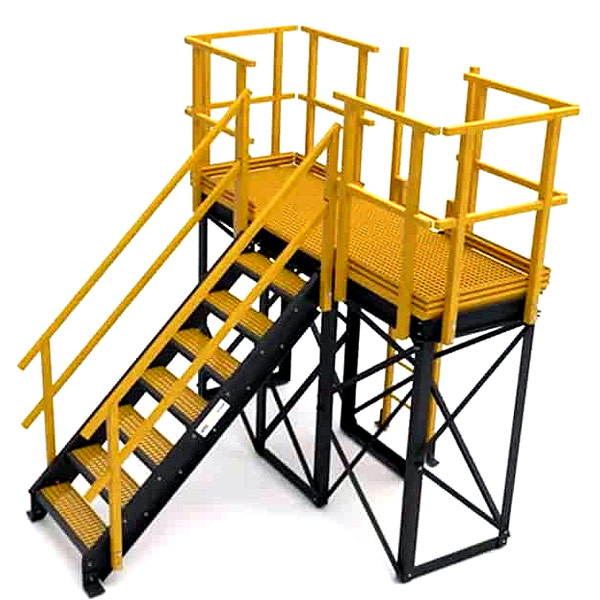
Structural FRP systems play a critical role in chemical processing facilities by providing safe, durable access and support infrastructure throughout demanding production environments. FRP grating, platforms, stairs, ladders, and handrail systems are used around storage tanks, reactors, processing equipment, and containment areas, allowing operators to safely inspect, maintain, and service critical assets. Their exceptional corrosion resistance makes FRP ideal for harsh environments exposed to aggressive chemicals, corrosive vapors, moisture, and extreme operating conditions commonly found in chemical manufacturing and petrochemical facilities.
Beyond access and safety, structural FRP systems help extend facility life and reduce long-term maintenance costs. Unlike steel or aluminum, FRP does not corrode, rust, or require frequent protective coatings, minimizing downtime and maintenance requirements. Lightweight yet structurally strong, FRP components simplify installation, modifications, and facility upgrades while improving jobsite safety. By providing durable, non-conductive, slip-resistant access solutions, structural FRP systems help chemical facilities protect personnel, support reliable operations, and maintain performance in some of the industry’s most challenging environments.
- Fiberglass Stair, Handrails, Grating and Structural Components
Pumps
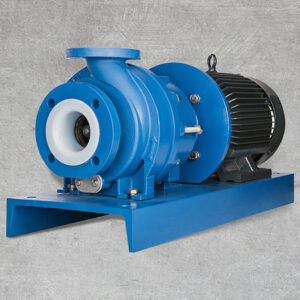
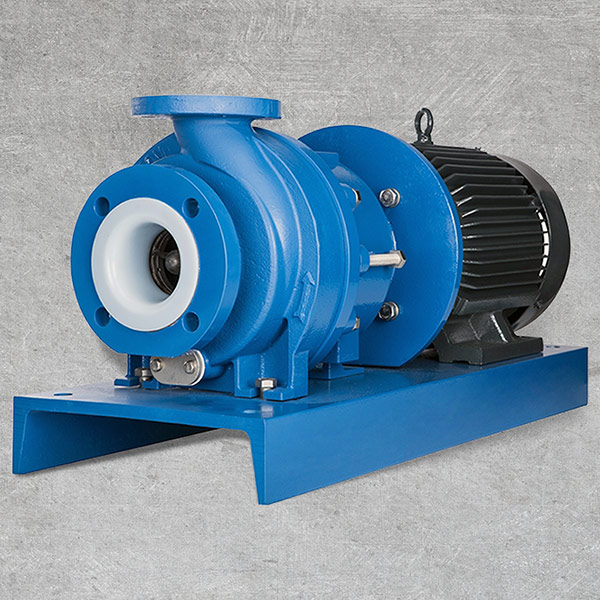
Pumps play a critical role in chemical processing facilities by moving raw materials, process fluids, chemicals, and finished products throughout the production environment. They transfer liquids between storage tanks, reactors, blending systems, filtration units, and distribution points while maintaining the precise flow rates and pressures required for safe and efficient operations. Reliable pump performance helps maintain consistent production, optimize process control, and prevent costly interruptions.
Beyond fluid transfer, pumps support chemical dosing, circulation, mixing, cooling, wastewater handling, and specialty process applications. Facilities utilize a variety of pump technologies, including centrifugal, positive displacement, diaphragm, and magnetic drive pumps, selected based on chemical compatibility, viscosity, temperature, and operating conditions. Modern control systems allow operators to adjust pump speed and output for improved energy efficiency and process accuracy. By supporting critical chemical handling and production processes, pumps help facilities maintain safe, reliable, and efficient operations.
- Transfer pumps
- Dosing pumps
- Chemical feed
PumpMan
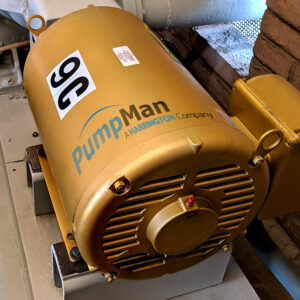
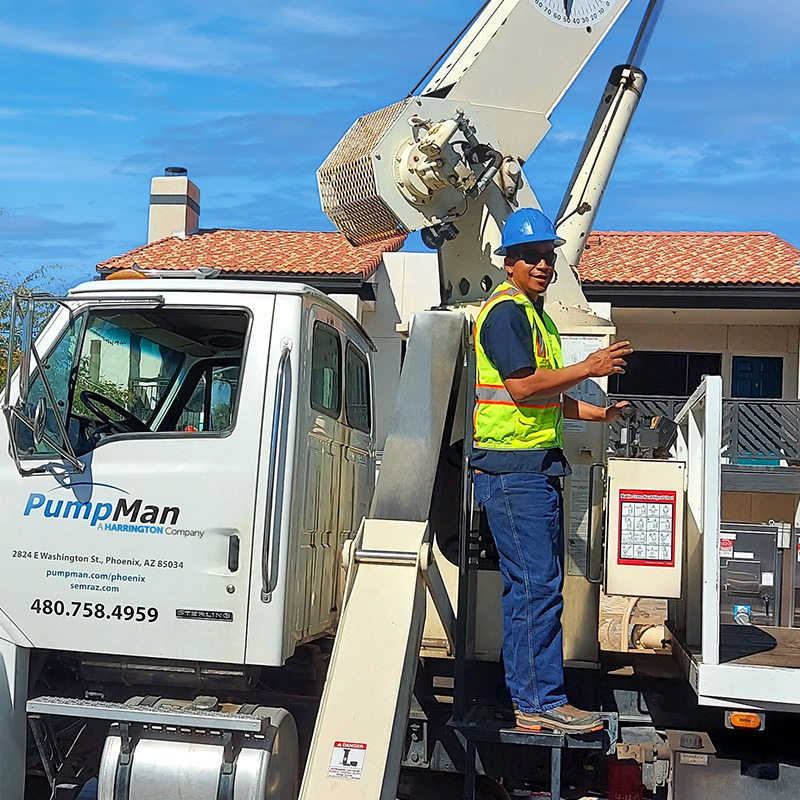
PumpMan, a Harrington Company, provides pump system expertise along with on-site and off-site repair, replacement, and maintenance for pumps, motors, controls, valves, and water wells used across municipal, industrial, and commercial sectors in North America. With strong technical knowledge and a commitment to dependable service, PumpMan helps facilities keep essential operations running with reliable performance and reduced downtime.
PumpMan technicians support full system life cycles through troubleshooting, planned maintenance, and equipment upgrades that improve efficiency and extend asset life. Services include precision alignment, vibration and noise checks, motor and control panel inspections, and flow and pressure verification to maintain optimal operation. Select locations also offer wastewater sump pumping and debris removal to prevent clogs and improve system reliability, making PumpMan a trusted partner for critical infrastructure.
- Pump Service, Repair and Replacement
Piping Systems (PVC, CPVC, PVDF, FRP, Stainless Steel, Carbon Steel, and Lined Steel)
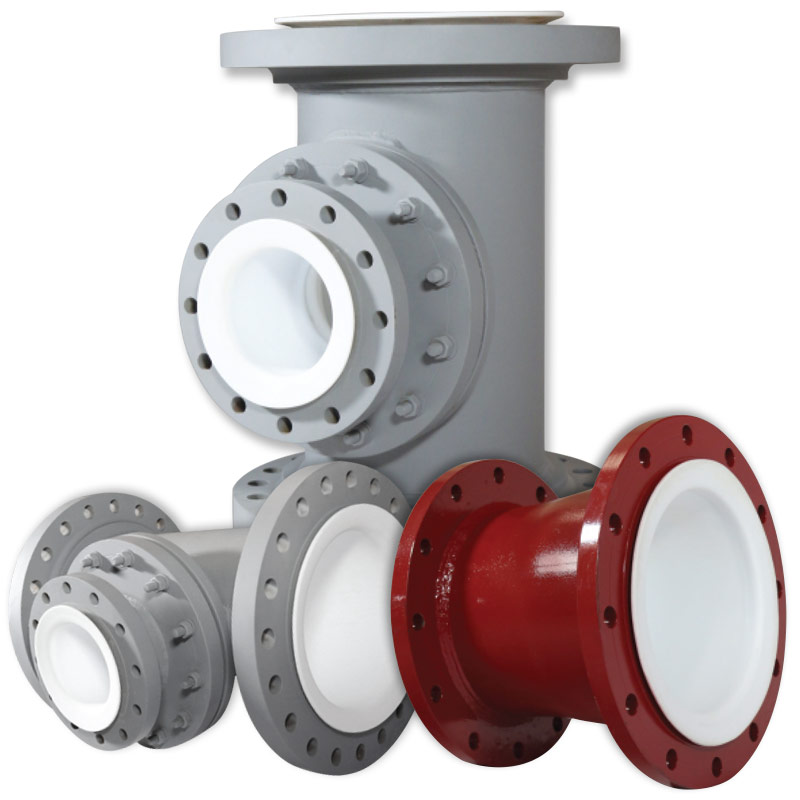
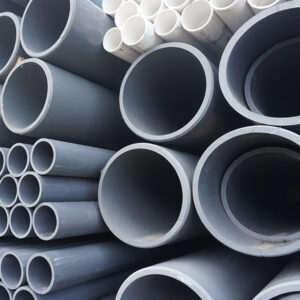
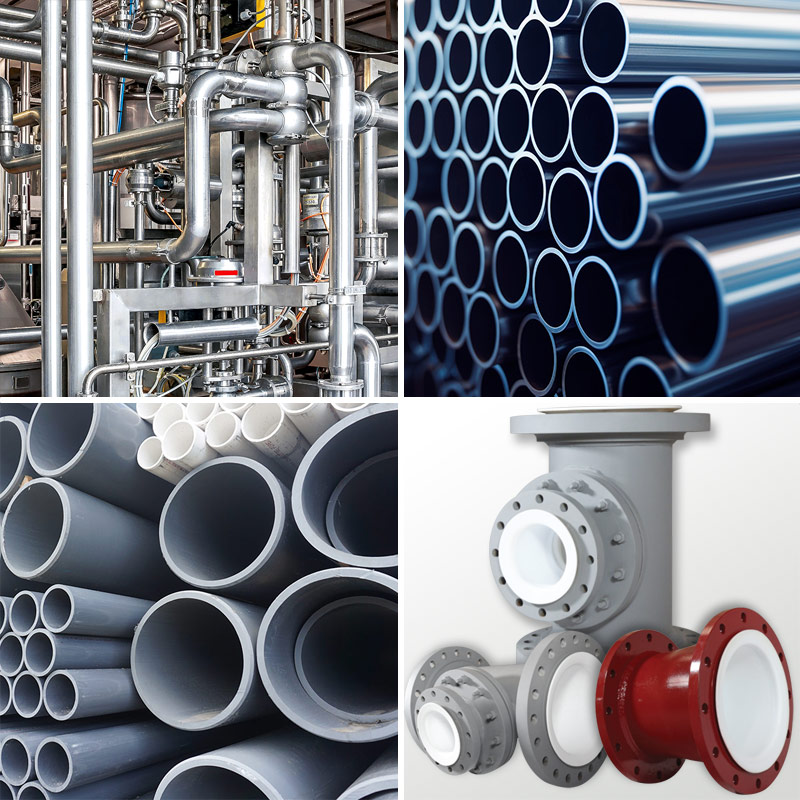
PVC, CPVC, PVDF, FRP, Stainless Steel, Carbon Steel, Lined Steel, Buttweld, and Forged piping systems support chemical processing facilities by providing reliable fluid transfer, corrosion resistance, and long-term performance in demanding environments. PVC and CPVC are commonly used for chemical drainage, utilities, and process applications requiring corrosion resistance, ease of installation, and cost efficiency. PVDF provides superior chemical resistance and purity for aggressive chemical and high-performance applications, while FRP delivers lightweight, durable performance in highly corrosive environments.
Stainless steel piping offers strength, cleanliness, and temperature resistance for demanding process conditions. Carbon steel and lined steel provide durable solutions for larger-diameter, higher-pressure systems requiring mechanical strength and corrosion protection. Buttweld and forged piping systems support critical applications where pressure containment, reliability, and precision connections are essential. Together, these piping technologies help safely transport chemicals, improve system reliability, reduce maintenance, and support efficient chemical manufacturing and petrochemical operations.
- Chemical-Grade PVDF Piping and Fittings
- CPVC Piping, Valves, and Fittings
- FRP (Fiberglass Reinforced Plastic) Piping
- Lined Steel Piping
- Stainless Steel/Carbon/Buttweld and Forged
- Cements & Primers
- Double Containment Piping
- AIS (American Iron Steel)
- BABA (Buy American Build American)
Filters
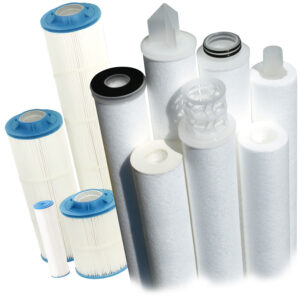
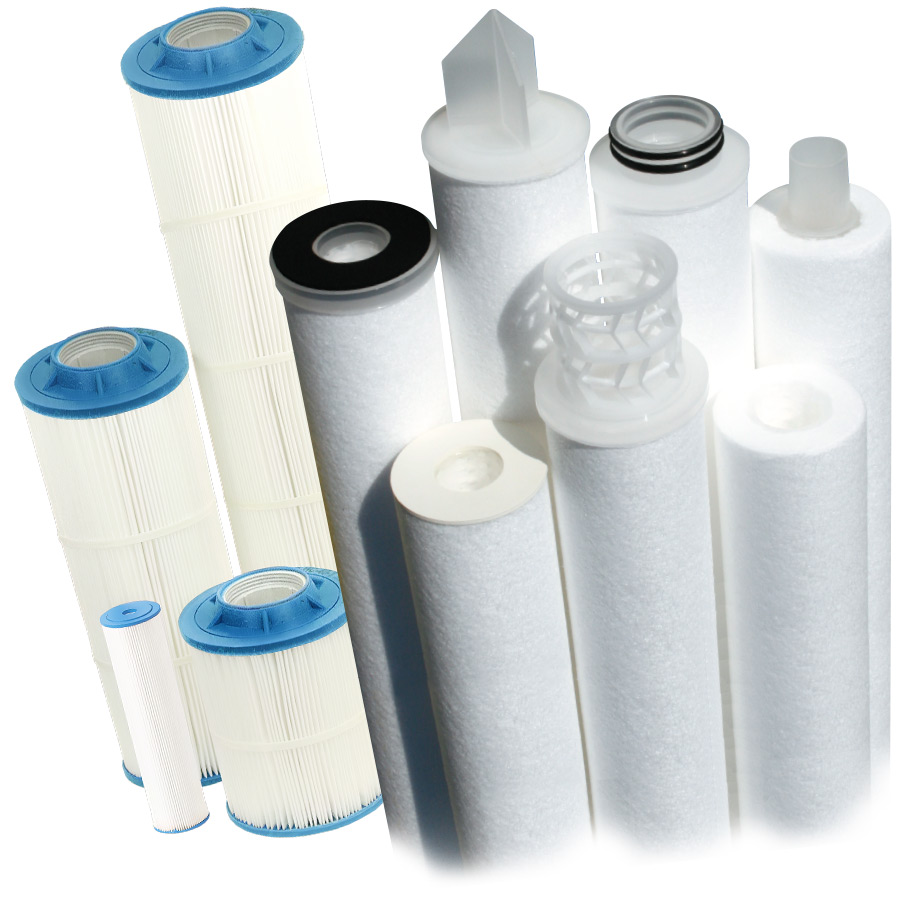
Filters play a critical role in chemical processing facilities by removing particulates, contaminants, and impurities that can impact product quality, equipment performance, and process efficiency. Filtration systems are used throughout manufacturing operations to protect pumps, valves, instrumentation, and other critical equipment from suspended solids and process debris. Depending on the application, facilities utilize media filters, cartridge filters, bag filters, and membrane systems to achieve precise separation and maintain consistent process conditions.
Beyond particle removal, specialized filtration systems support chemical purification, solvent recovery, catalyst protection, wastewater treatment, and high-purity process applications. Activated carbon and specialty filtration technologies can help remove dissolved contaminants, organic compounds, and unwanted impurities from process streams. Regular maintenance, including filter replacement and system cleaning, helps prevent fouling, maintain flow efficiency, and extend equipment life. By improving fluid quality, protecting critical assets, and supporting reliable production, filtration systems are essential to safe and efficient chemical manufacturing operations.
- Filtration Media
- Filter Membranes, Cartridges and Bags
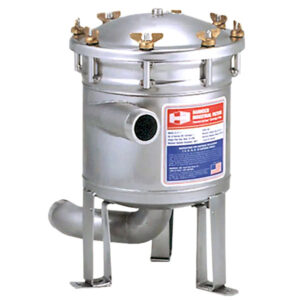
Filter Housings
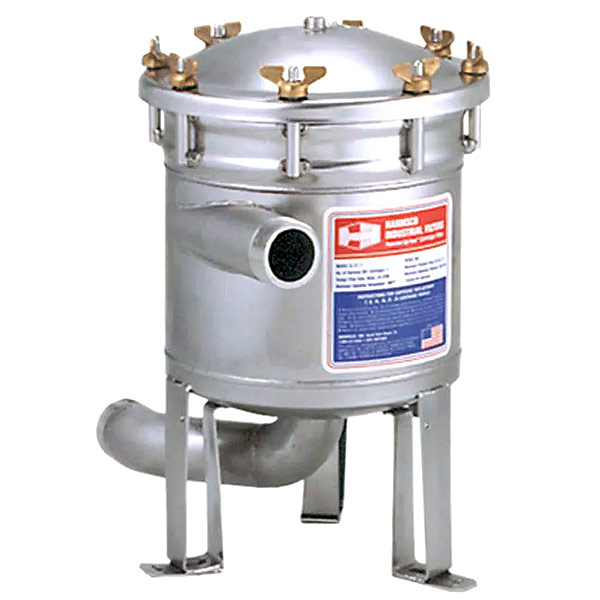
Filter housings play an important role in chemical processing facilities by containing and protecting filtration media, cartridges, and separation elements used to remove particulates, contaminants, and impurities from process fluids. They provide a controlled environment where chemicals, solvents, and other process streams flow through filtration elements at the required rate, ensuring consistent filtration performance while protecting downstream pumps, valves, instrumentation, and equipment. Durable materials such as stainless steel, PVC, CPVC, PVDF, and FRP allow filter housings to withstand corrosive chemicals, pressure variations, and demanding operating conditions.
In addition to standard filtration, housings support applications including chemical purification, catalyst protection, solvent recovery, wastewater treatment, and high-purity processing. Their modular designs allow operators to quickly replace filter elements, reduce downtime, and maintain consistent performance. Multi-round housings provide increased capacity for high-flow applications, while specialized configurations support precise filtration requirements. By protecting filtration components and maintaining reliable fluid quality, filter housings help improve process efficiency, equipment reliability, and safe chemical manufacturing operations.
- Housing & Strainers
RO Membranes
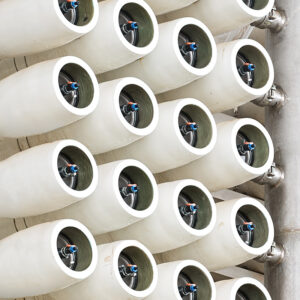
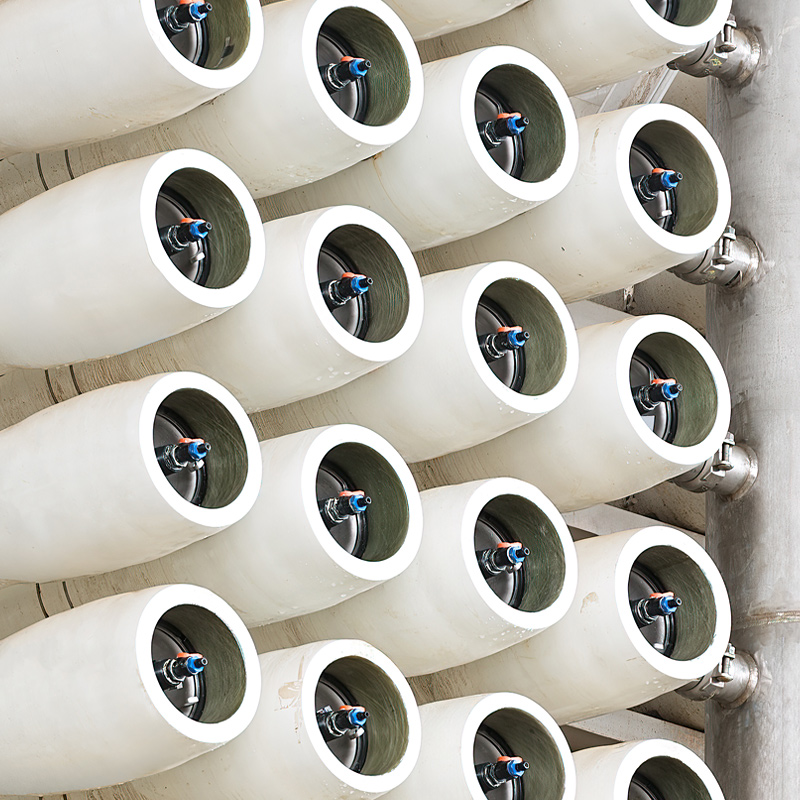
RO membranes are advanced separation technologies used in chemical processing to remove dissolved contaminants, impurities, and unwanted compounds from process fluids. Constructed from thin-film composite materials, these semipermeable membranes act as highly selective barriers that allow specific molecules to pass while rejecting larger dissolved ions, organic molecules, and particulates. Their precision filtration capabilities make them valuable in applications requiring high-purity fluids, process water treatment, and contamination control.
In chemical facilities, RO membranes operate in pressurized systems, with process streams flowing across their surfaces. Purified permeate passes through the membrane while concentrated contaminants are separated into a reject stream for further processing or disposal. RO systems support applications such as chemical recovery, high-purity water production, wastewater reuse, and specialty manufacturing processes. Their efficiency, reliability, and ability to reduce chemical usage make them an important technology for maintaining strict process quality standards and improving operational performance.
- Media Filters
Gauges
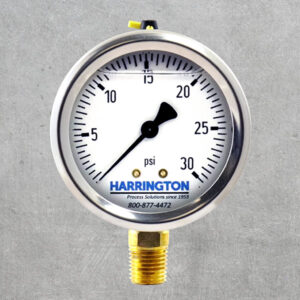
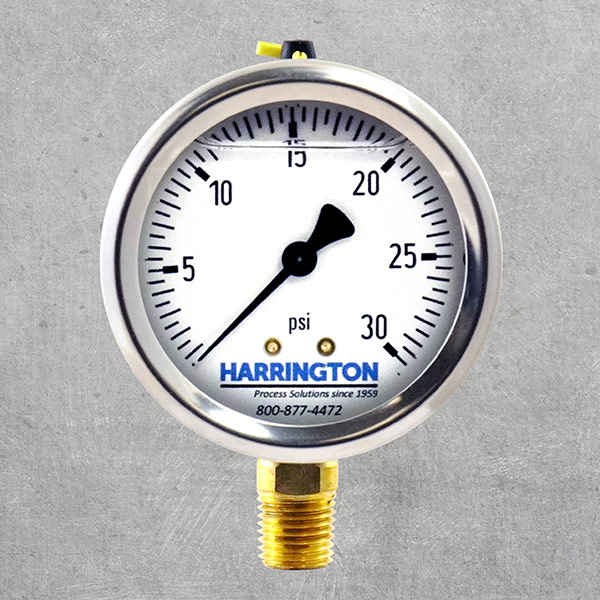
Gauges in chemical processing facilities are essential for monitoring and controlling critical operating parameters throughout production and process systems. They provide real-time measurements of pressure, flow, temperature, and level within piping, tanks, reactors, pumps, and filtration equipment. Pressure gauges help operators verify that pumps, vessels, and piping systems are operating within safe limits, while flow and level gauges support accurate material transfer, process control, and efficient system performance.
In addition to operational monitoring, gauges play a key role in troubleshooting, safety, and preventive maintenance. Changes in readings can identify potential issues such as blocked lines, equipment wear, pressure fluctuations, or process inconsistencies before they impact production. By providing accurate and immediate feedback, gauges allow operators to make timely adjustments, reduce downtime, and improve reliability. In advanced chemical facilities, gauges can be integrated with automated control systems for remote monitoring, alarms, and data-driven process optimization. Overall, gauges are critical tools for maintaining safe, efficient, and compliant chemical processing operations.
- Instrumentation and Gauges
Automated Valves / Valve Actuation
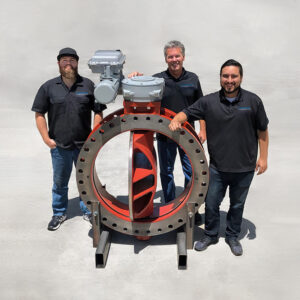
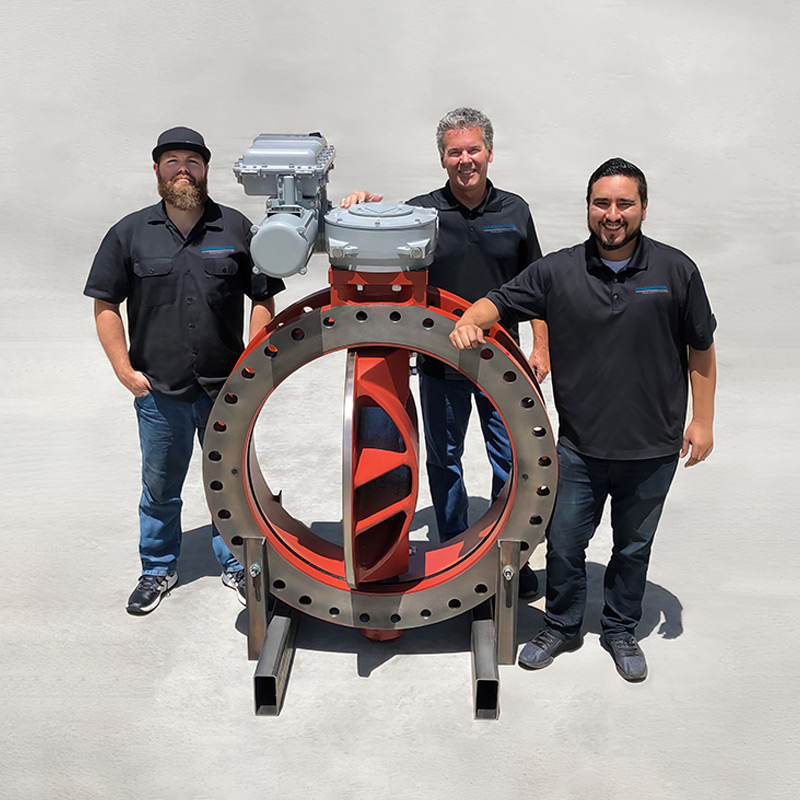
Valve actuation is critical in chemical processing facilities, with automated valves providing precise, reliable control of fluid flow, pressure regulation, and process isolation throughout production systems. Automated valve assemblies help manage chemical transfer, batching, mixing, reaction processes, and equipment protection with consistent accuracy that supports safe operating conditions and product quality. When integrated with PLC, DCS, or SCADA systems, automated valves enable remote operation, reduce manual intervention, improve process efficiency, and enhance overall plant reliability.
Harrington supports these technical requirements with a full range of valve actuation services, including custom mounting, engineered fabrication, and the conversion of manual valves into automated solutions. The Valve Actuation Group combines automation expertise with in-house machining, welding, and testing capabilities to develop assemblies tailored to specific application needs. Supporting a wide range of valve types and brands, Harrington delivers automated valve packages designed for corrosive chemicals, demanding pressures, and continuous-duty environments, helping chemical facilities improve safety, control, and operational performance.
- Automation control
- Electric and pneumatic
- Manual control – gear, lever and chain operated
Valves
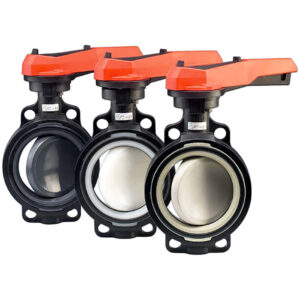
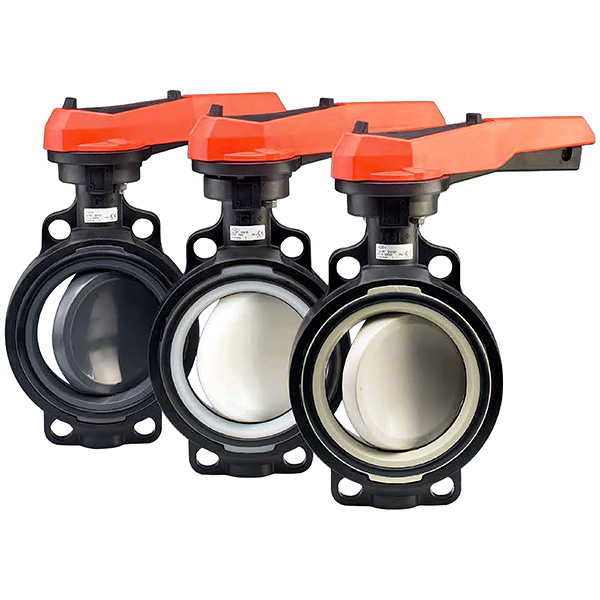
Valves are essential components in water treatment facilities, controlling the flow, pressure, and direction of water throughout the system. They allow operators to start or stop flow, regulate pressure, and isolate sections of piping for maintenance without disrupting the entire facility. Common types include gate, ball, butterfly, and check valves, each selected for specific functions such as controlling chemical feed, managing pump output, or diverting flow between treatment processes.
In addition to basic flow control, valves help maintain safety and efficiency by preventing backflow, overpressure, and contamination between process stages. Automated valves with electric or pneumatic actuators provide precise control and can be integrated into monitoring systems for real-time operation. Properly installed and maintained valves support consistent water quality, protect equipment, and enable operators to manage treatment processes effectively while minimizing downtime and maintenance needs.
- Manual Valves, Actuated Valves
- Manual control – gear, lever and chain operated
Need answers from a trusted source?
Call our toll-free number at 1-800-213-4528 and you will be connected to a live person – not a recording.
You may also use the contact form below for any questions regarding our products and services.